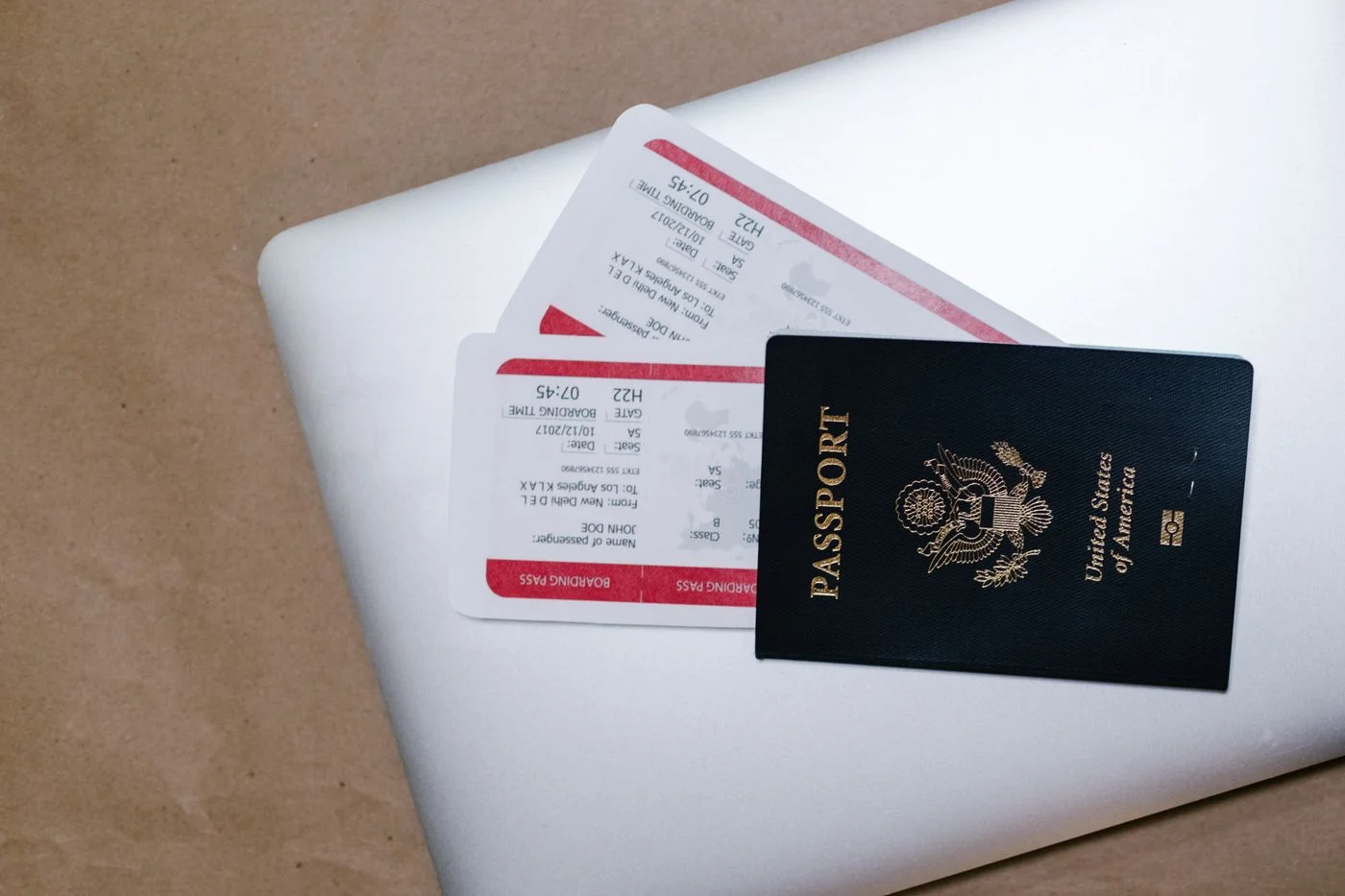
Arrival is a sequence
The scheduled arrival time is not the moment you begin exploring. You may need to leave the terminal, collect a bag, wait for transport, reach the hotel and arrange storage or check-in. Write those steps into the day before choosing an activity. Use current operator information for the journey and leave room for ordinary delays.
If the room will not be ready, ask about luggage storage and any conditions attached to it. A nearby meal or short walk can fit that gap. A distant timed attraction may create pressure to cross the city while still carrying bags. The first afternoon should work even if the journey has taken more energy than expected.
Make the first commitment forgiving
Choose an arrival-day activity that can start later or end sooner without losing its purpose. Exploring the streets around the hotel can orient you for the rest of the weekend. A meal reservation may be worth making, but place it with enough margin and understand the cancellation or lateness policy.
If the trip is built around an evening event, consider arriving earlier or the previous day when practical. The importance of the event should determine the margin. Do not treat a tight connection between arrival and a nonrefundable performance as a clever way to fit more into the itinerary.
Work backward on departure day
Start with the time you need to be at the airport, station or other departure point, using the provider's current guidance for your circumstances. Add the journey from the hotel and any rental return or baggage collection. The remaining time is what you can use for breakfast and an activity; it is not the full morning shown on the calendar.
Keep the final outing near the room or along the onward route. A place that requires a long detour may be better visited on the full day. If luggage is stored elsewhere, include the return to collect it. That small extra journey is easy to forget when estimating from an attraction straight to the airport.
Leave an honest blank
Unallocated time on the first and last days is not wasted itinerary space. It absorbs a slow transfer, lets you settle in and makes the final meal less hurried. If everything runs smoothly, use it for a short walk or an extra stop nearby.
Compare travel options by the usable time they leave as well as the price. A slightly different departure can transform a rushed morning into a relaxed one, while a cheap late arrival may provide little more than a night of sleep. Choose the tradeoff deliberately, then let the schedule reflect it.