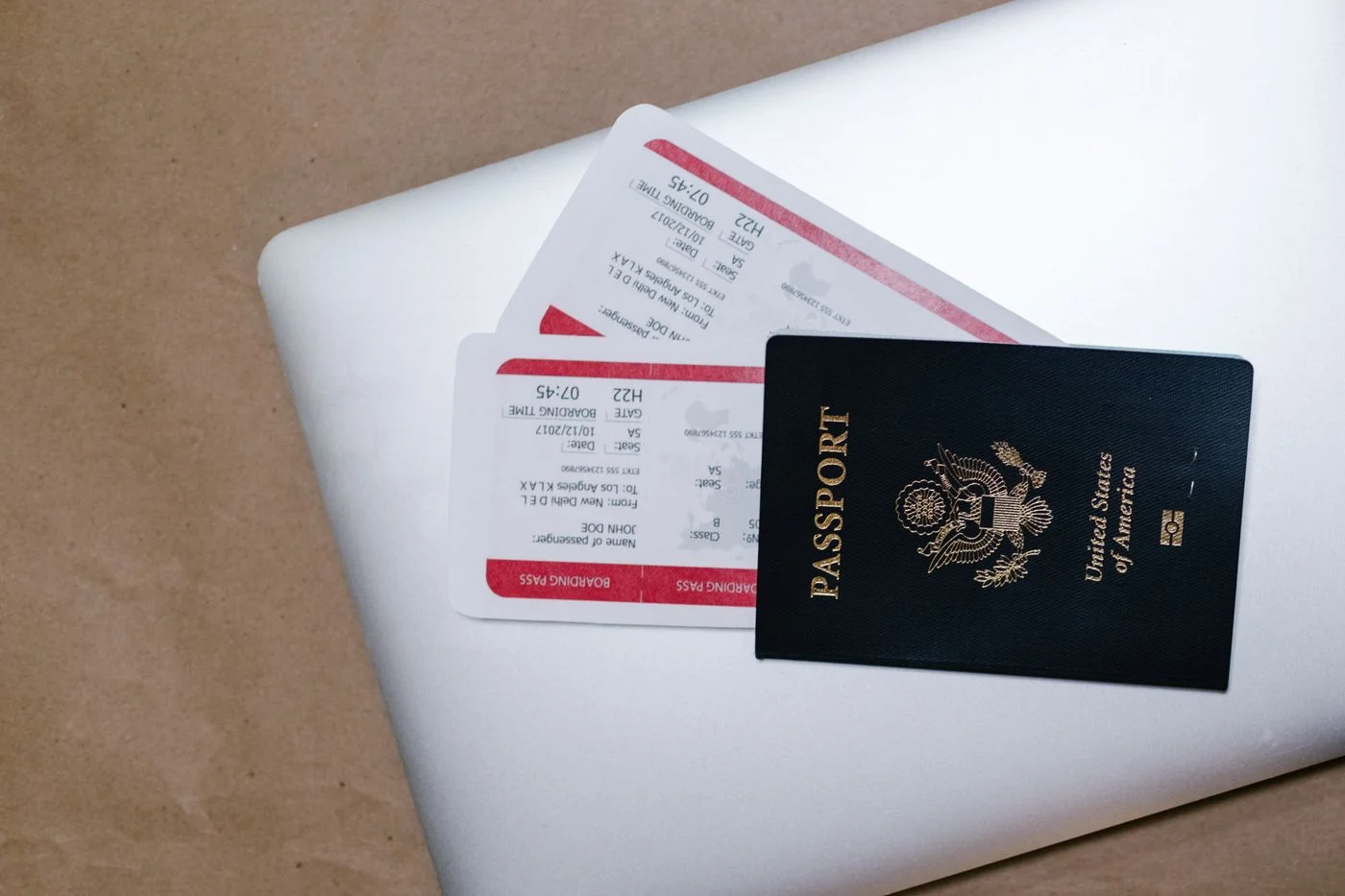
Separate the itinerary from the evidence
Use one short itinerary for the sequence of the trip and keep the original confirmations as supporting records. The itinerary needs the date, place, time, address and any action you must take. It does not need every paragraph of the booking email. The confirmations should remain available when you need a reference number, cancellation term or proof of what was purchased.
Name files so they sort into the order you will use them. A date and a plain description are usually more useful than the provider's automatic attachment name. Keep the hotel arrival instructions distinct from the payment receipt: they answer different questions when you are standing outside the property.
Know what counts as the ticket
A confirmation email may prove a purchase without being the item scanned at entry. Read the issuer's instructions and use the supported ticket format. Some tickets can be saved to an approved wallet or printed; others require an app or a changing barcode. Do not assume a screenshot is always valid.
Open the ticket before leaving reliable internet access and check any offline arrangements the issuer supports. Make sure the name, date and time are right. If there are several tickets, confirm how the group is expected to enter and whether they can be shared. Resolve a mismatch while the provider can still help, not at the gate.
Put deadlines where you will see them
Record cancellation and change deadlines in your calendar, including the time zone where relevant. A date alone may be insufficient when a deadline falls at a specific local time. Keep the provider's exact terms with the booking so that the reminder leads to the right action.
Avoid creating multiple competing copies of the itinerary. Choose one current version and make it clear when a booking changes. Move obsolete tickets out of the main travel folder so they cannot be opened by mistake, while retaining records you may need later. The aim is fewer decisions during the journey.
Share only what is useful
Give companions the addresses, meeting points and reservations they need for their part of the trip. Do not place sensitive identity or payment information in an openly shared planning folder. Check access permissions if using a shared document, and remove access when it is no longer needed.
Keep a small backup of essential contact details separate from the main device. If a phone fails, the accommodation address and provider number can still help you recover the plan. A short, current set of information is more resilient than a large folder that only one person knows how to search.