Paradise and Sunrise are separate choices
Mount Rainier has several developed areas, including Longmire, Paradise, Ohanapecosh, Sunrise and Carbon River/Mowich. A first visit is easier to organize when one of those areas becomes the destination. The mountain's name is too broad to use as your only navigation target.
Paradise and Sunrise are both well-known, but that does not mean they belong in one short day. Choose according to your approach, season and interests. Then compare lodging against the route to that area, including the drive back after your outing.
Road status comes before the trail list
The park's seasonal road access can determine what is possible. Check the current road-status and conditions pages before relying on an entrance or connection, and repeat that check near departure. Do not assume that a route used in a summer itinerary will be available in spring or autumn.
Parking can also shape the day. Select a primary outing and an appropriate alternative, but keep both within a manageable region. A distant backup that requires driving around the mountain may not be a realistic response to a full parking area.
Match the walk to the actual ground
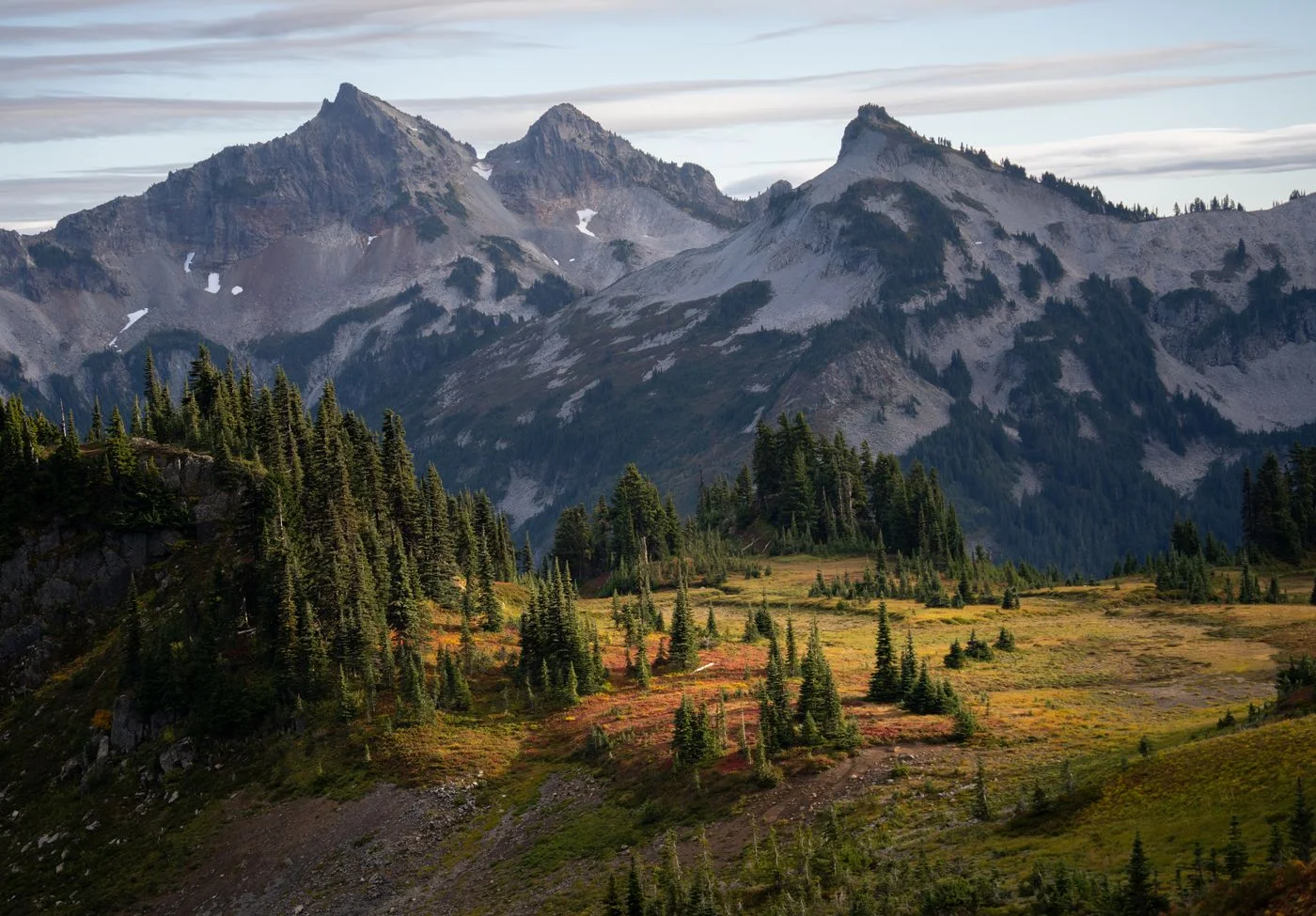
Use official descriptions and current conditions to choose a route. Snow, weather and trail damage can change an outing even when a visitor facility is open. A photograph of flowers on a trail does not establish what you will find on your travel date.
For a first day, leave enough energy for the return and for changing conditions. Carry the supplies and layers appropriate to the selected route, and follow the park's safety guidance. Turning around is easier when the itinerary never depended on reaching a particular viewpoint at any cost.
If the mountain is hidden by cloud, consider what the area still offers rather than spending the day chasing a guaranteed view. Forest, water and interpretive stops can give the visit a different focus. A weather-dependent photograph is a poor sole measure of whether the trip succeeded.
Allow a forest day to stand on its own
A lower-area visit and a higher meadow outing can be very different experiences. If your selected high-area access or weather is unsuitable, a carefully chosen lower-area plan may still fit the day. Check its own routes and conditions; do not assume that lower elevation removes every hazard or access issue.
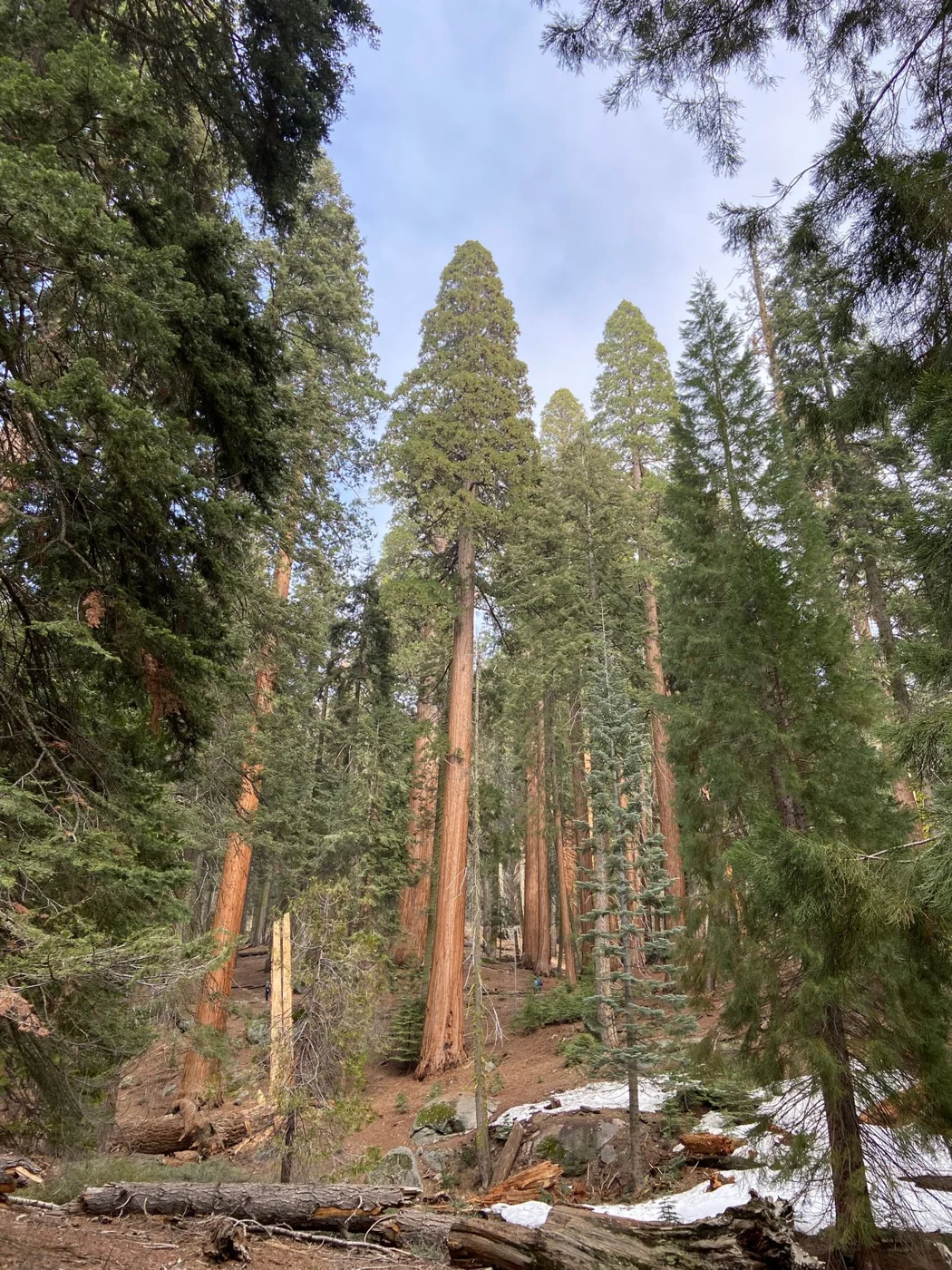
Longmire can provide a different focus from Paradise, just as a Sunrise plan has its own approach and seasonal considerations. Think of these as alternatives selected before departure rather than places to race between in search of a clear summit view. A cloud-hidden mountain does not make the forest or the history of the area disappear.
This also helps with a mixed group. One modest route and time to explore an appropriate developed area can provide a shared day without pressuring everyone into a longer hike. If a more demanding walk is the main purpose, give it a separate plan with the necessary preparation instead of presenting it as a small extension of the town-to-park drive.
Keep the evening close
After a mountain day, a convenient meal and uncomplicated return to lodging may matter more than another attraction. Plan the drive out with daylight and driver comfort in mind. For a two-night stay, use the arrival evening to settle in and review conditions, then give the full day to your chosen area. That leaves departure morning free from the pressure of completing an unfinished circuit.