Start with the landscape you most want
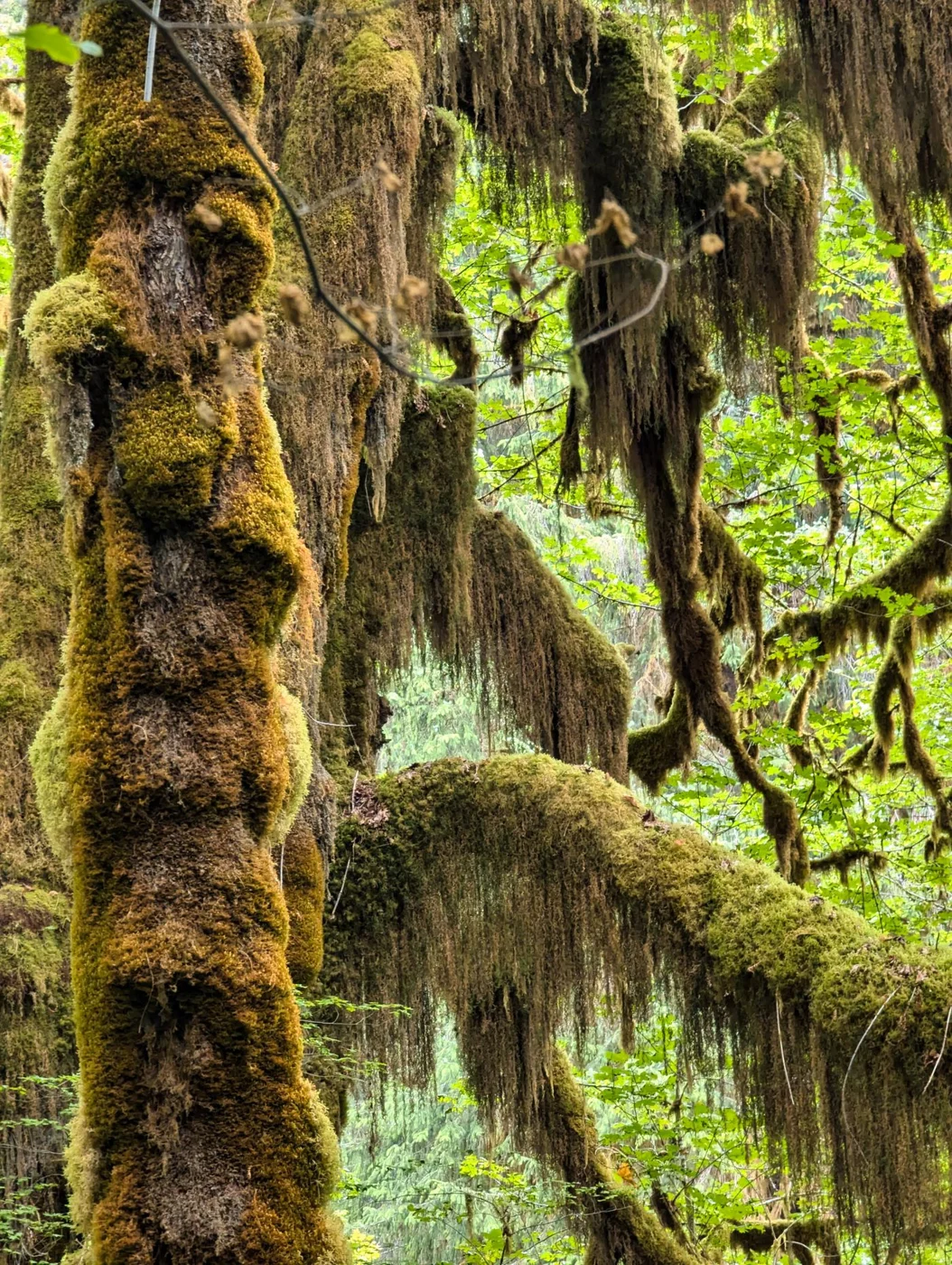
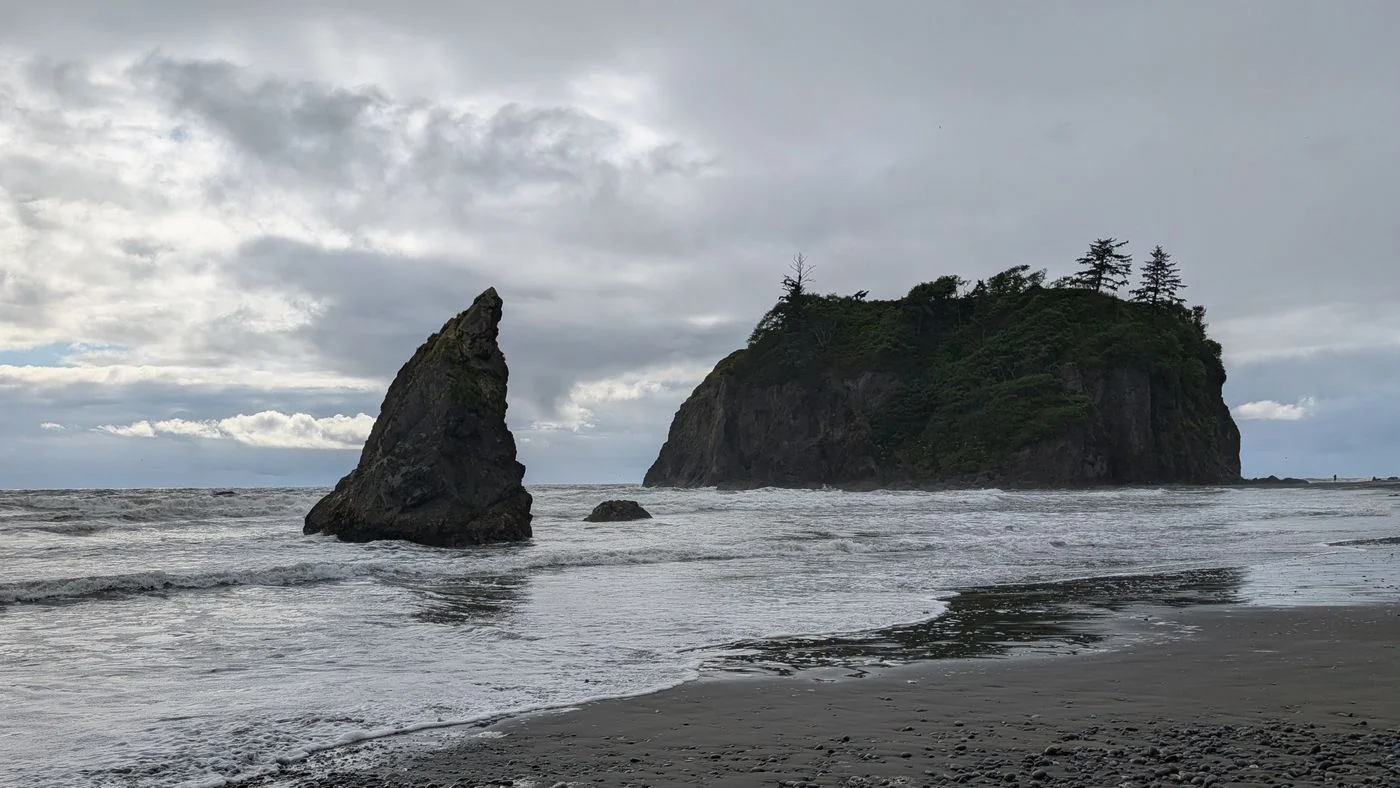
Olympic combines mountains, rain forest and coast across a large peninsula. Those experiences are separated by real travel time. For a first short visit, choose the landscape that matters most, then choose your overnight base around it.
The park's own directions guidance suggests Port Angeles or the Lake Crescent area for destinations such as Hurricane Ridge and Sol Duc, and the Forks area for the Hoh Rain Forest and coast. These are useful planning regions, not guarantees that every attraction within one region is close to every room. Plot the actual journeys before booking.
Resist a complete peninsula checklist
A two-night stay can look generous until you subtract the trip from your starting city and the return. If you spend the full middle day moving between several distant landscapes, the visit may become mostly a drive. Select one main area and a nearby secondary experience instead.
For a mountain-focused visit, allow weather to affect the choice of day. For a forest-focused stay, plan clothing and footwear around the route and conditions rather than assuming a rain forest visit will be comfortable in ordinary town shoes. For a coastal outing, use the park's tide and hazard information for the specific place; shore access can involve more than a short walk from a car.
Plan the approaches individually
Olympic is reached through a network of approach roads around the peninsula. Do not expect a road across the park's mountainous center to connect your chosen stops. Use the official map and road-status information, especially outside the main summer season.
If your journey involves a ferry, treat that crossing as a separate transport plan. Review the relevant operator's schedule and vehicle arrangements and leave margin for waiting. A ferry can be enjoyable, but it is not time-free simply because the car is stationary.
Compare two complete short-stay versions
A northern version might use a Port Angeles or Lake Crescent base, with the main day assigned to a suitable mountain or nearby forest outing. The advantage is that the plan has one general center. It does not promise that Hurricane Ridge, Sol Duc and every northern attraction will all fit; select the places that work with current roads and the day’s conditions.
A western version might use the Forks area, keeping the main interests in the rain forest and coast. Even there, treat the two as separate blocks and account for the approach roads. If a particular beach walk depends on suitable tides, that timing may determine which block comes first. Check the specific official route guidance rather than using low tide as blanket permission to go anywhere.
Compare the versions by the experience you most want and the total journey from home. Choosing the western side merely because it contains more names from a recommendation list can be a poor trade if your limited weekend is consumed by reaching it. A coherent northern stay is better than a theoretically comprehensive trip with very little time outside the vehicle.
Keep one day adjustable
For two nights, it can help to leave the order of your main outings flexible until the forecast is clearer. That does not mean arriving without a plan: prepare two appropriate options in the same general area, with food and return travel considered for both.
Avoid a tightly timed meal or onward connection after a long park day. Slow roads, parking and ordinary breaks can shift the finish. The practical advantage of choosing one side of Olympic is that a change of plan remains manageable. You can spend longer in the forest, shorten a coastal walk or return to town without feeling that half the peninsula is still waiting to be checked off.