Separate the canyon from the road through the park
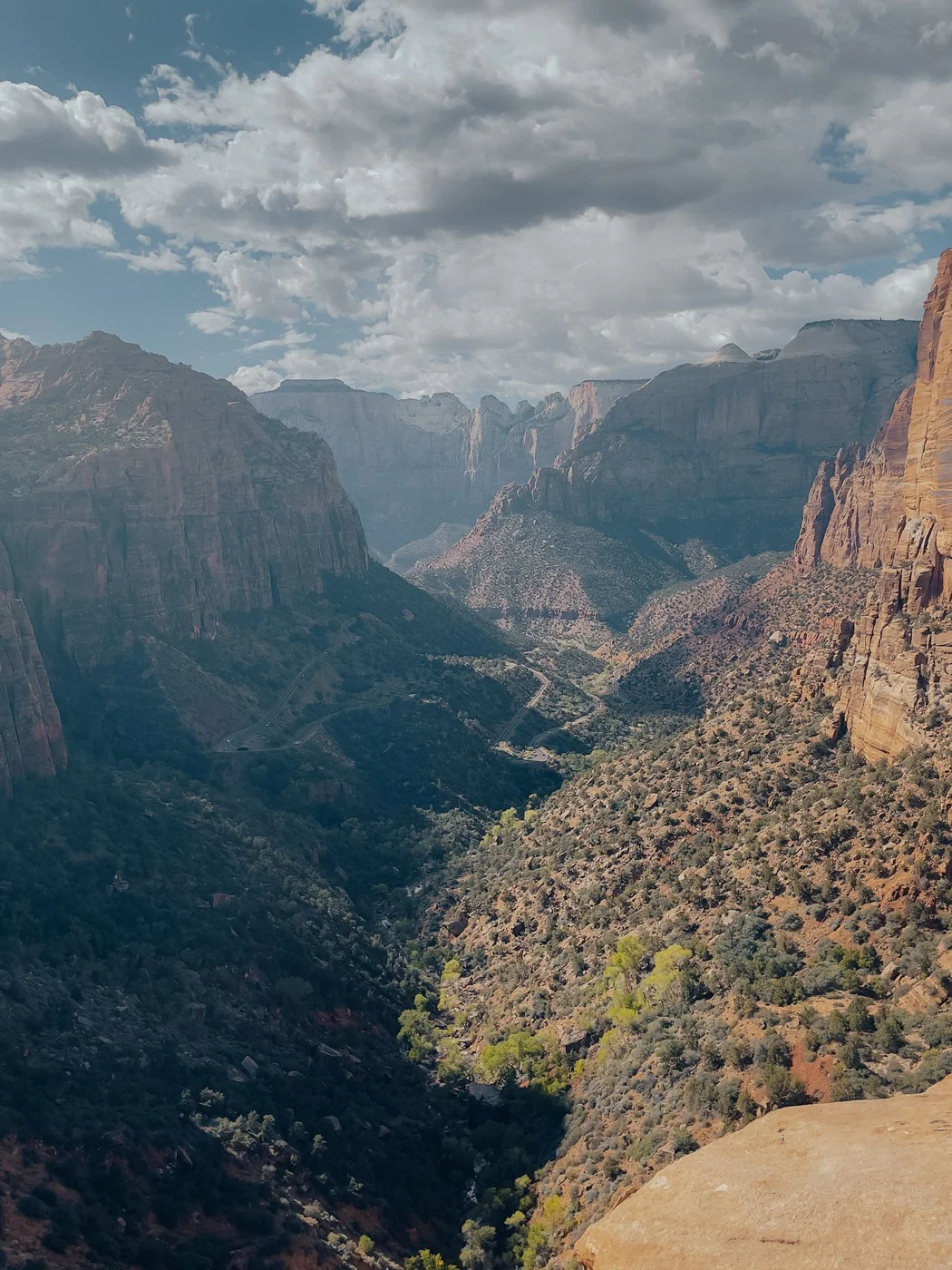
Zion has more than one kind of visit. A day focused on Zion Canyon is different from driving through another part of the park or exploring a separate district. Decide which experience you want before comparing rooms and plotting every attraction under the same park label.
For a first canyon-focused stay, examine the current shuttle information and the relationship between your lodging, Springdale and the park entrance. A room advertised as close to Zion may still require a drive and a parking search before the canyon part of your day begins. Compare that process with the actual walking route or available town transport from a closer property.
Count the full shuttle outing
The shuttle is transport, but waiting, boarding and reaching your chosen stop are part of the day's time budget. Pick a manageable number of stops rather than assuming you can step off at all of them. The return journey also needs room, especially when everyone is tired.
Check the current operating dates, last services and rules directly with NPS. Do not use a timetable from a previous season. If your plan depends on an early start or late return, verify that the service fits it before committing to a distant trail or a dinner reservation.
Carry what you need for the canyon portion of the day. Repeatedly returning to your room for food, layers or forgotten items can undo the benefit of a compact itinerary. At the same time, keep the load appropriate to the specific walk rather than bringing equipment for several incompatible plans.
Choose walks independently of famous photographs
Angels Landing and the Narrows are not default additions to every first visit. They involve different requirements and hazards, and a general park entry arrangement is not a substitute for the applicable permit or current safety information. Consult the official pages for any such activity and choose an alternative if it does not fit your group or conditions.
A shorter route can still provide a substantial canyon experience. Compare current trail descriptions by surface, elevation change and exposure, not only distance. If someone is uncomfortable, change the plan rather than treating the most famous destination as compulsory.
Compare two lodging routines
Imagine a canyon day from a room that offers a suitable walk to the relevant transport: you can have breakfast, carry the day’s supplies and return for a break without recovering the car from a separate parking place. Now compare a less expensive room farther away: the morning begins with a drive, and returning for a midday rest may be inconvenient. Neither routine is inherently wrong, but the difference matters more on a short stay than the room photographs suggest.
If your group is comfortable remaining out all day, the farther base may be a sound choice. If children, mobility needs or simply personal preference make a rest important, pay closer attention to the first arrangement. Verify each property’s actual route and available transport; being in Springdale does not by itself answer every access question.
Leave one part of the stay unbooked
For two nights, let the full middle day carry the main canyon outing. The arrival evening can be for settling in and checking conditions; departure morning can remain close to the lodging. This gives you a useful margin if transport or weather changes.
Before paying for a room, assess cancellation terms alongside location. A cheaper nonrefundable stay can be a poor fit for an itinerary that depends on one specific outdoor activity. The aim is a weekend that still makes sense if your preferred hike is unavailable, with the canyon itself remaining the central experience.