Keep the valley visit together
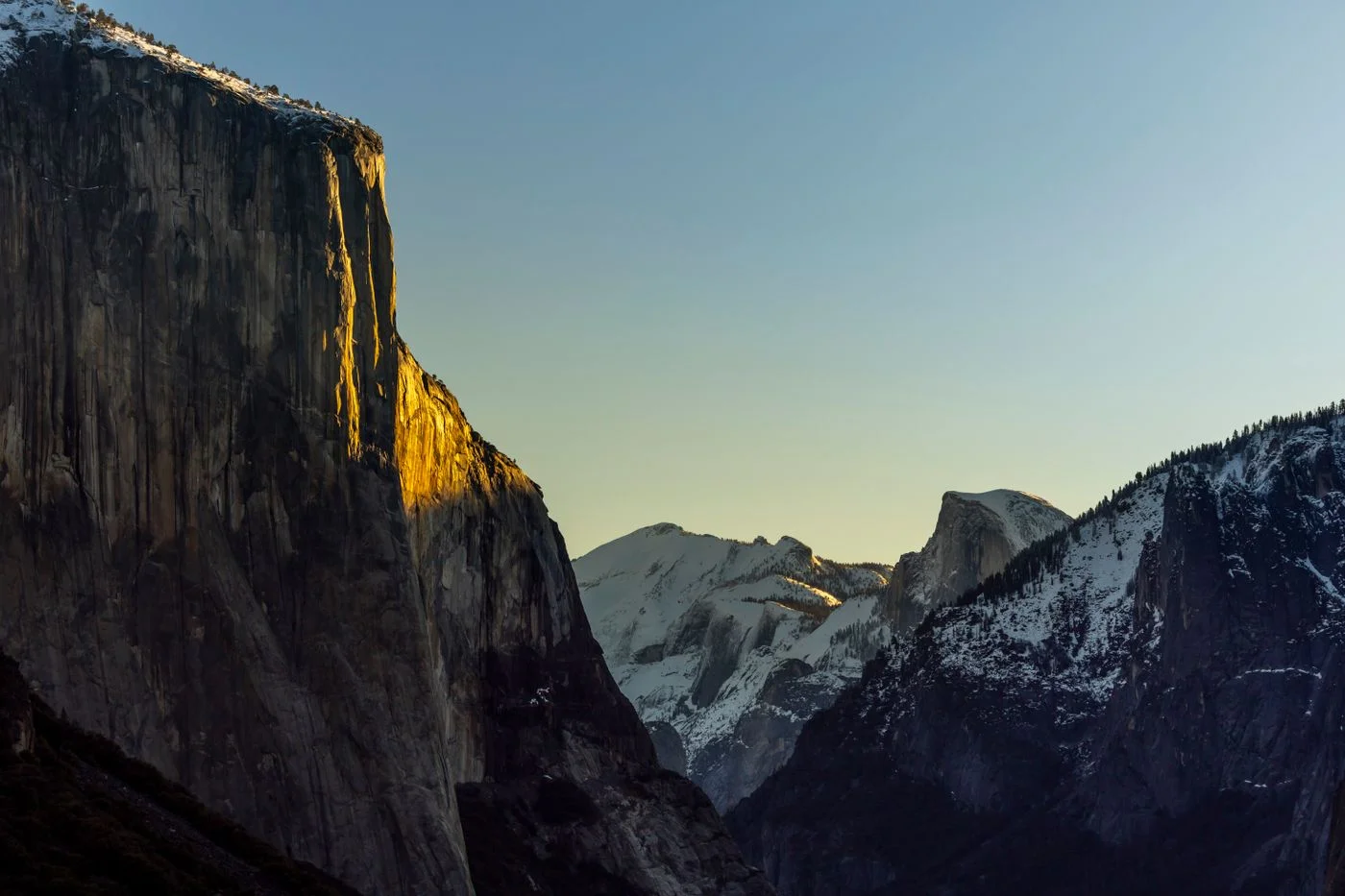
For a first short stay, Yosemite Valley can be the main destination rather than one item in a park-wide checklist. Choose a few things you want to experience there: a particular view, an appropriate walk and some time to understand the landscape. Then leave the rest of the map for a later decision.
Moving repeatedly between the valley and distant areas can consume the hours you expected to spend outside. If a high-country excursion or another park area is your real priority, allocate it separately. A two-night stay does not automatically contain two full days once arrival, checkout and the drive home are included.
Entry rules and parking are different questions
Yosemite's entrance-reservation arrangements have changed between years. Consult the current official page for your travel dates rather than following instructions from an older itinerary. Confirm lodging and camping separately from ordinary entry requirements.
Even without a season-wide timed-entry system, congestion can affect your visit. An ability to enter the park is not a promise of a convenient parking space at each stop. Once you have parked appropriately in the valley, consider whether walking or an available shuttle can connect your selected activities instead of moving the car repeatedly.
Read the current transport information before relying on a particular service. A route shown on a map may have seasonal or operational changes. Know how the return works, especially if you plan to finish late or walk farther than originally intended.
Decide what a convenient room is worth
A room in the valley can reduce the need for repeated drives, but availability and cost may make an outside base more realistic. Compare the actual route from the property to the valley, including your arrival and departure direction. “Near Yosemite” can describe a broad region.
For an outside stay, plan a self-contained valley day with the food and layers you need. For an inside stay, use the convenience for breaks rather than assuming it means you should add more distant attractions. A quiet pause between outings may be the most valuable thing the location buys.
A full day does not need a full circuit
A useful valley day can start with the view or walk that matters most, followed by an unhurried lunch and a second modest outing. Save the least important stop for the afternoon, when parking, weather or fatigue may have changed your expectations. This order protects the reason you came without making the entire day rigid.
For example, a group that values walking can spend its strongest hours on one suitable route, then use a nearby viewpoint as a flexible finish. A group that prefers scenery with less walking can choose a smaller set of viewing locations and give each more time. Neither group needs to adopt the other’s itinerary simply because both are visiting Yosemite Valley.
Write down where the car, lunch and return transport fit each version. These details determine whether the day is genuinely compact. An attractive list of place names is not yet an itinerary if it leaves you repeatedly crossing the same area for food or belongings.
Let the season change the picture
Check the current status of roads, trails and facilities before finalizing your choices. Waterfalls, snow, smoke and seasonal road access can all change what the visit looks like. Do not judge the actual day against a photograph taken under completely different conditions.
Choose walks using official descriptions and the group's ability, and keep the last part of the day easy to shorten. A first Yosemite visit can leave you with a clear sense of the valley without requiring a strenuous hike or a circuit of every famous view. Time spent simply looking up is part of the visit.