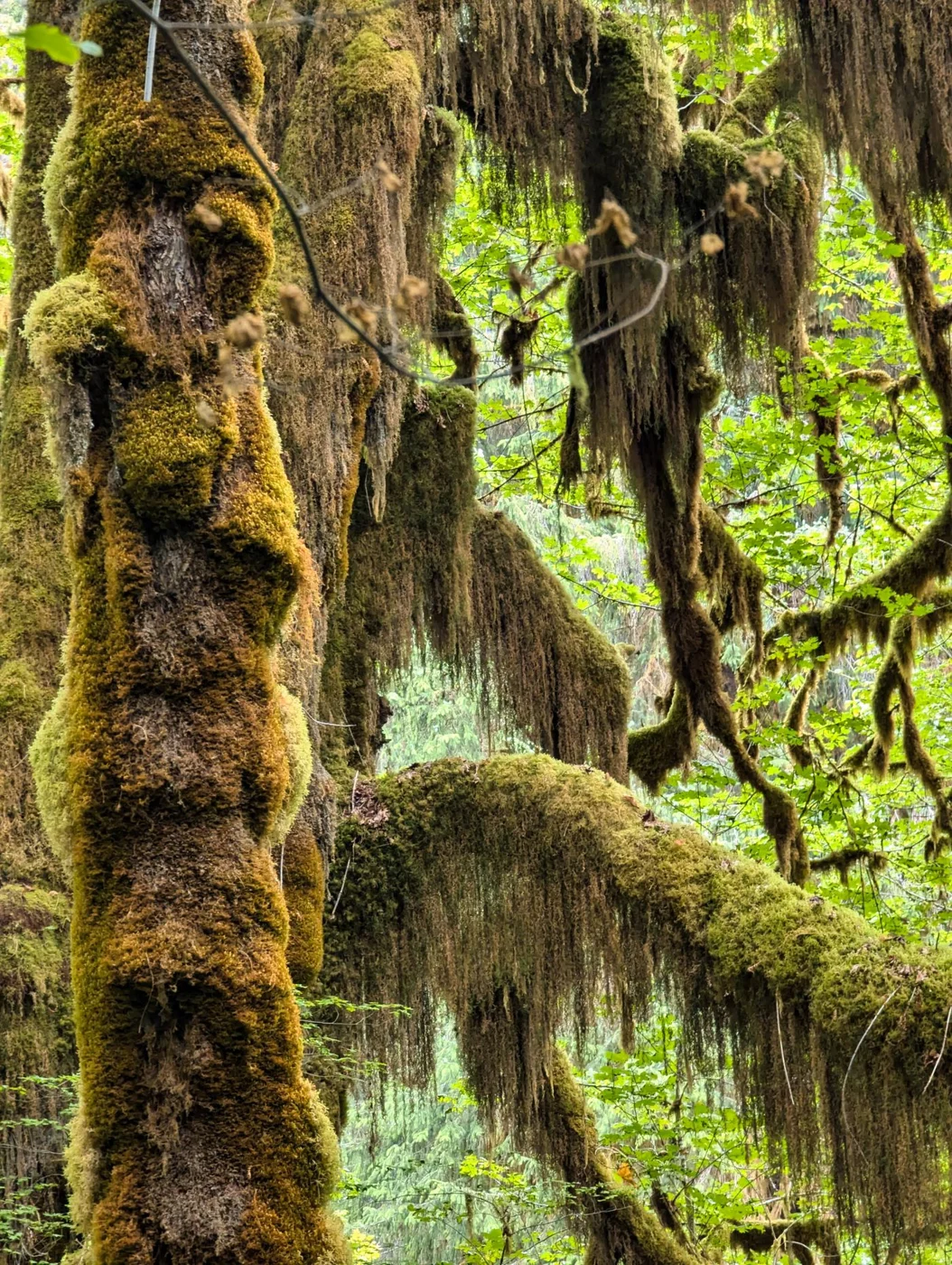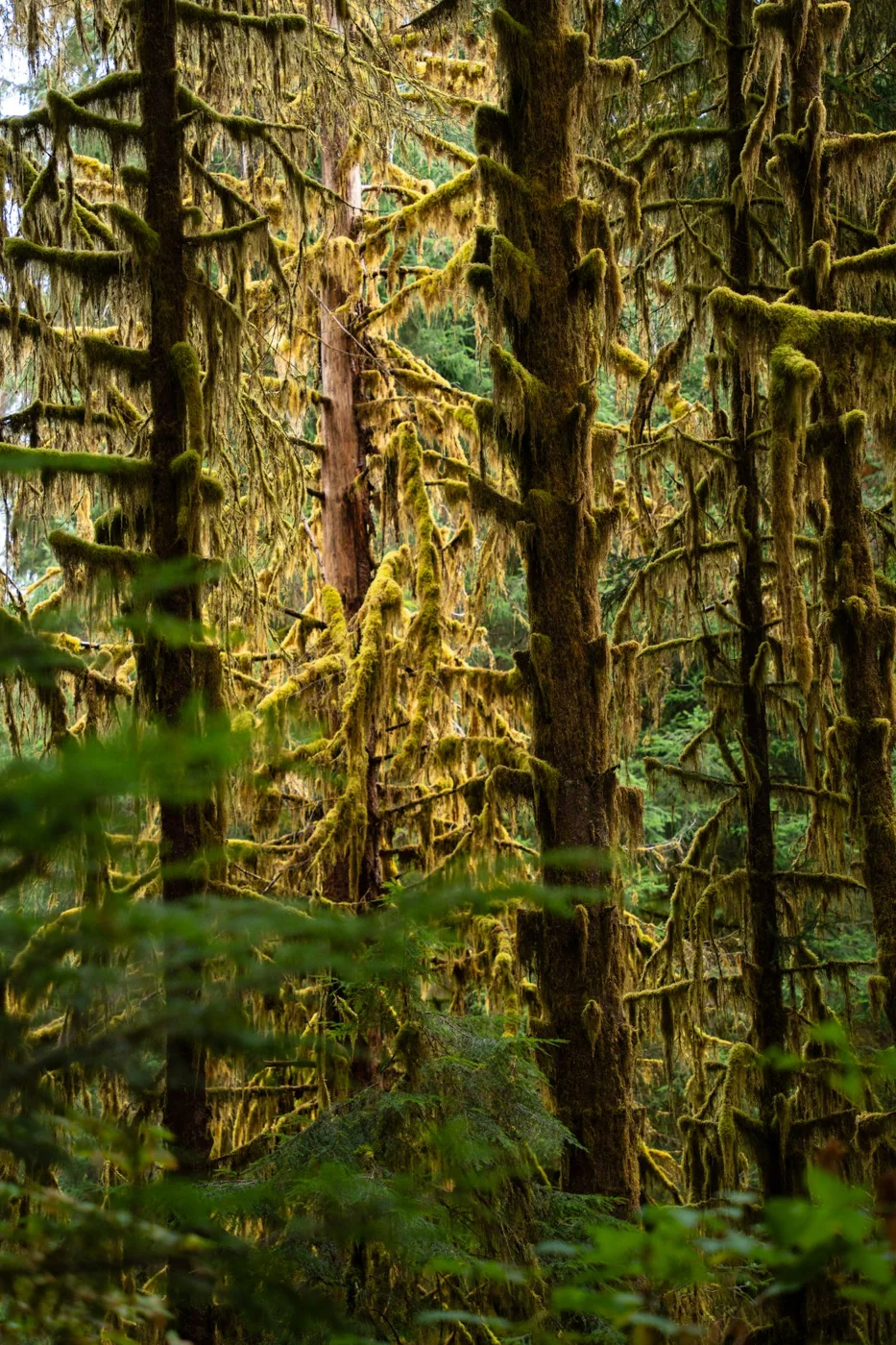
The peninsula is bigger than a rainy afternoon
Olympic's forests, coast and mountains are not neighboring stops around one visitor center. In the rainy season, that geography matters even more because outdoor daylight and comfortable driving time may be limited. For a short stay, choose the part of the peninsula you most want to see and find lodging that supports it. A full circuit is a route choice, not a requirement of visiting.
If the rainforest is the main reason for travelling, plan around access to that area and a nearby place to sleep. If you prefer town services and shorter outings, use a town base and accept a smaller selection of landscapes. Neither approach becomes better by adding a distant coastal stop to an already full afternoon.
Shelter means more than tree cover
An indoor break should be a building where you can actually spend time, not an assumption that a forest canopy will keep everyone dry. Confirm cafés, visitor facilities or museums for your dates. Heavy rain and wind can affect roads and trails, so use the park's current conditions information before committing to the drive.
Take waterproof outerwear and a dry change that remains protected while you are outside. Keep the day's walk proportionate to conditions and the group's experience. A short walk with time to notice the forest can suit the trip better than a longer route attempted mainly because it appeared on a summer itinerary.
Keep the mountain day conditional
Do not treat a lowland forecast as a mountain forecast. Olympic's higher areas may involve winter access restrictions and equipment requirements while lower places remain rainy. Read the current park guidance for the particular area you intend to visit. If you are not equipped for those conditions, choose a different part of the park rather than letting a general-purpose rental car determine the risk.
Arrange the final night with the journey home in mind. If a ferry is involved, check the operating schedule and vehicle arrangements directly with the operator. Save an alternative route, but understand its additional driving before calling it a backup. The point of a smaller rainy-season itinerary is to leave room for changing conditions without moving the whole trip every morning.