Identify the beach before buying anything
The Indiana Dunes area includes a national park and a state park. They sit in the same destination region, but an itinerary should name the particular beach, trail or facility you intend to use. Check that location's managing agency and entry arrangements rather than assuming one purchase covers every stop.
This matters when comparing accommodation too. A room near one access point may be convenient for a beach-focused stay but less useful for a different trail area. Pin the two places you most want to visit and choose a base that makes those journeys simple. There is little benefit in paying for geographic centrality if your plans are concentrated in one corner.
Separate beach time from walking time
For a short first visit, give the lakeshore a proper block of time and choose one separate walk. A beach afternoon involves carrying bags, finding a place to sit and returning sandy equipment to the car. Treating it as a fifteen-minute pause between walks often creates more work than enjoyment.
Choose a trail by its official description and current conditions, not by the assumption that dunes are flat or effortless. Walking on sand can feel different from walking the same distance on pavement. Plan for the slowest member of the group and leave a route option that does not depend on reaching a particular summit or distant viewpoint.
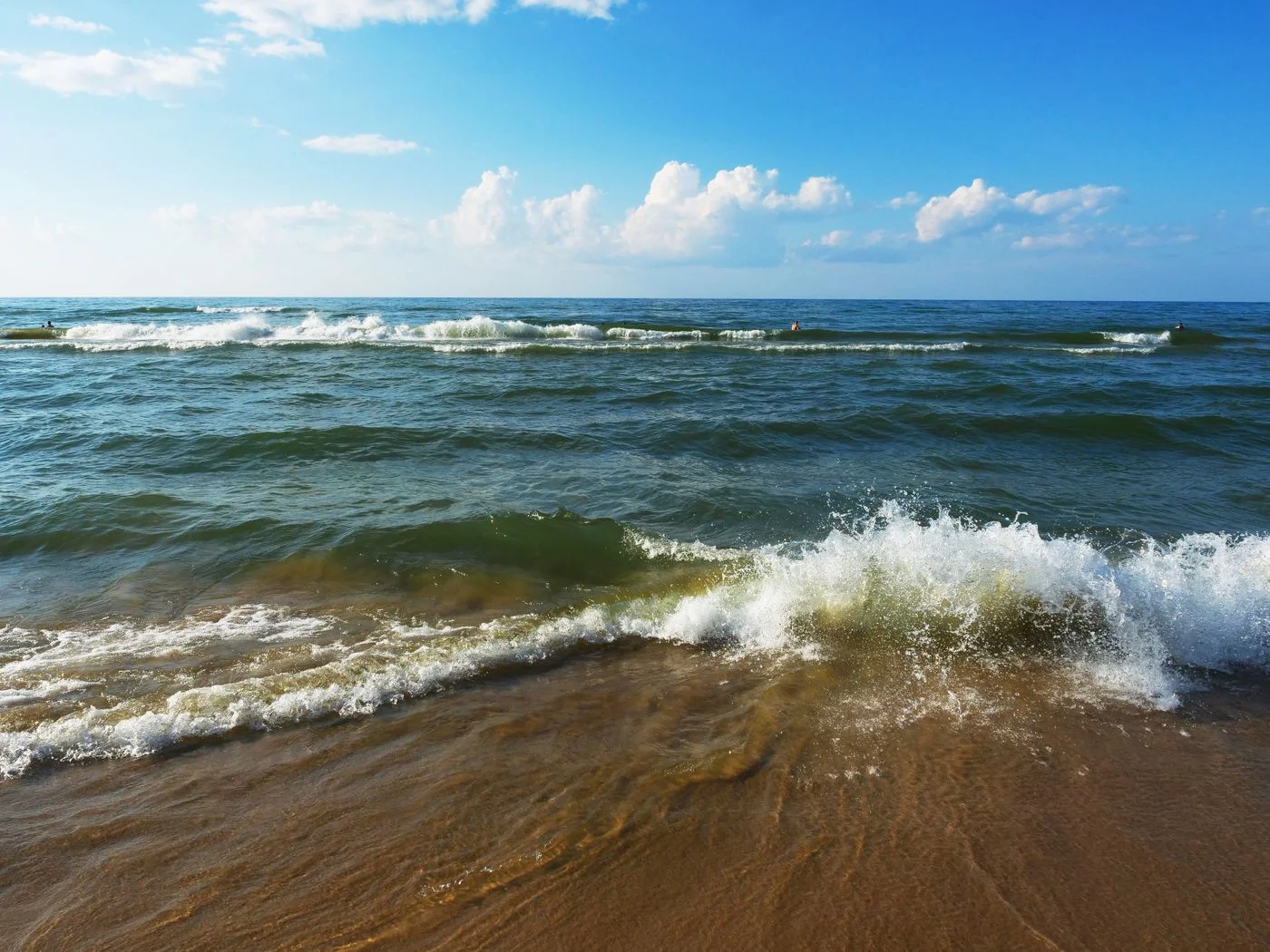
Lake conditions also deserve their own check. A sunny day is not proof that swimming conditions are suitable. Follow the instructions and warnings at the beach you use, and distinguish a place to look at the water from a place where you intend to enter it. Keep the day's enjoyment independent of swimming so a warning does not leave you without a plan.
Make the second stop optional
If the first beach or trail is enjoyable, stay. Moving to another access point brings another parking decision and another round of unloading. A two-stop plan is most useful when its second part adds something genuinely different, such as an interpretive visit after a morning outside.
Before departure, consult the NPS planning pages and the state park information for whichever facilities are on your list. Save the specific addresses rather than a generic park search result. For an overnight stay, a final short shoreline visit near your departure route can be enough; it does not have to become another full beach setup.