Decide which side of the river matters
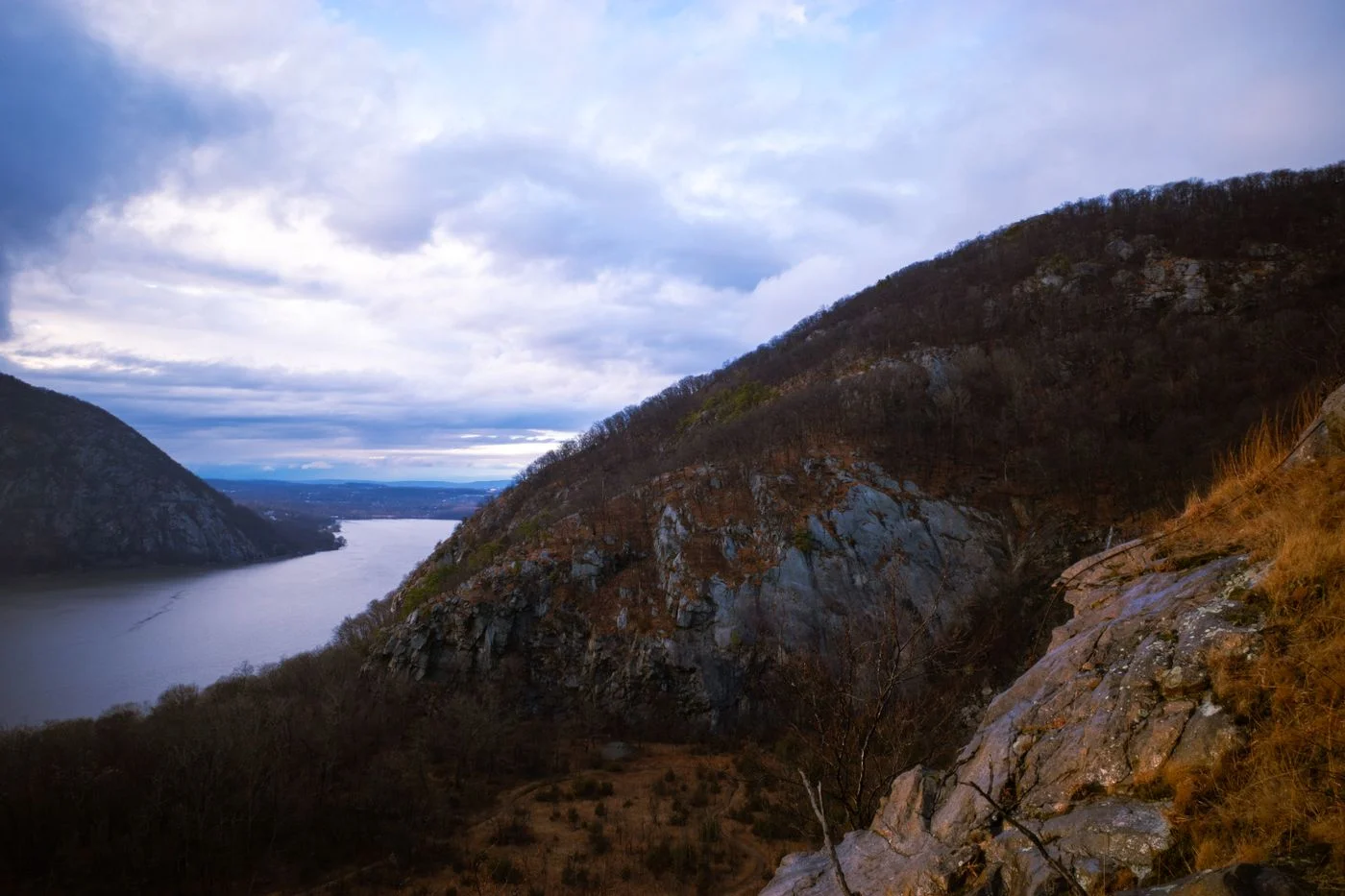
The Hudson Valley covers much more ground than a single weekend can comfortably include. Before collecting stops, choose a compact area and identify the river crossings your route would actually use. Two places that look close on a map can involve a substantial detour when the bridge is elsewhere. A base on the same side as your main activities reduces that friction.
For a rail-based trip, begin with a station and the onward journey to the room. Check whether the walk is realistic with luggage and whether the attractions you want are reachable without a car. A rail station in a town does not make every orchard, estate or trailhead around it accessible on foot. If you rent a car for one day, price and arrange that separately rather than assuming there will be one waiting nearby.
Leave one slot unclaimed
Choose one activity that needs a reservation and keep the other main part of the day flexible. An estate tour, for example, can be the fixed point around which a riverside walk and a town lunch fit. Trying to combine several timed visits with an orchard stop creates a schedule whose weakest link is often parking.
If a farm visit is the reason for travelling, verify that farm's current opening and booking information. Harvest activities differ between properties and dates. Do not build a late-afternoon arrival around an old photograph of an activity that may have ended for the season. A nearby town stop provides an alternative that does not require crossing the whole region.
A rail weekend and a driving weekend are different trips
Beacon offers a concrete way to think through a rail-based plan because it is served by Metro-North’s Hudson Line. Start with the rail journey, then map the station-to-room connection and the activities you can reach from that base. A town-focused stay can be complete without adding an orchard or a distant historic property. Check the timetable for both the arrival and the departure before choosing a room based on a vague impression that trains will be convenient.
For a driving trip, reverse the process. Choose the rural activity that motivates the journey, then look for a base that keeps the rest of the day compact. If the room is in a different town, include parking and the evening return. The two versions should not be combined automatically: a car-free break loses its simplicity if half the desired stops require a vehicle, while a road trip gains little from paying for a car that stays parked through a town-only itinerary.
Use the last morning close to base
Save a café, neighborhood walk or short viewpoint visit for departure day. Keep it on the route toward home or the station. A distant final stop may look inexpensive in miles but costly in uncertainty when it requires another river crossing or a connection with limited departures.
The regional tourism site is useful for finding places by county. Once the shortlist is small, switch to the actual attraction and transport websites for operating details. That sequence keeps the planning manageable: first choose the part of the valley, then verify the few things that will shape your weekend. A flexible route works best when the alternatives are already near each other.