Give the lake its own stretch of the day
Chicago becomes easier to navigate when you stop treating every famous place as a separate journey. The Loop, Millennium Park and the central lakefront can form one connected outing. A neighborhood farther north or west can occupy the other substantial block of a two-day visit. That arrangement leaves room for the things a map does not show: museum queues, a long lunch, wind off the water and the time spent deciding where to go next.
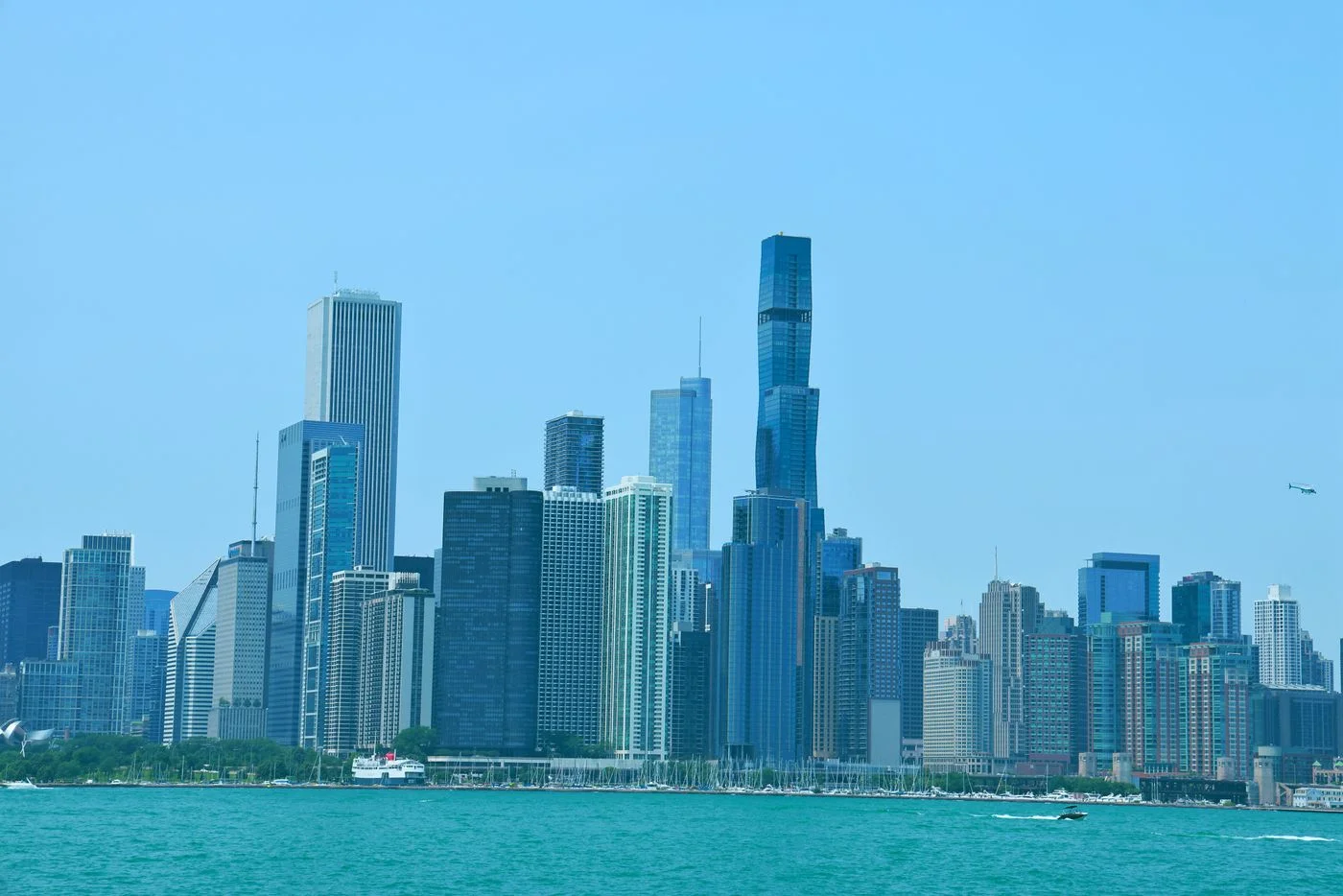
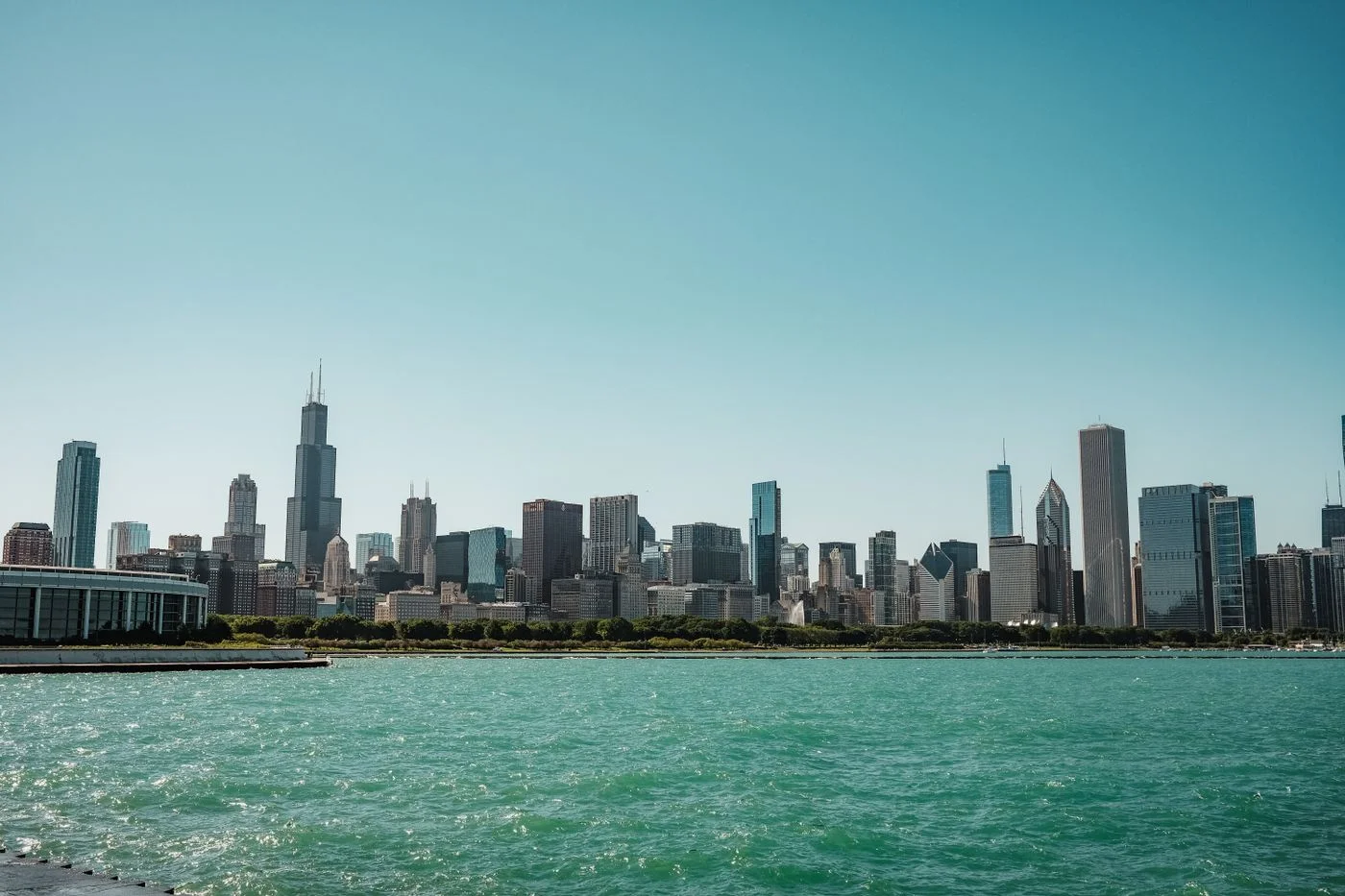
Start by choosing what the lakefront means to you. A waterfront walk and a view of the skyline need less planning than a museum visit on the Museum Campus. Combining both is possible, but the museum should determine the day's timing. Do not book an architectural cruise immediately after a museum simply because both appear near downtown. Walking to the departure point and finding the correct dock still take time.
Pick a neighborhood for a reason
Lincoln Park suits a day that continues the outdoor theme, with parkland, neighborhood streets and access toward the lake. Pilsen offers a different emphasis through murals, Mexican cultural institutions and food. The West Loop is useful when a particular restaurant is a priority. These are alternatives for a short visit, not three compulsory stops.
Choose the neighborhood before reserving dinner. An evening booking across town can turn a relaxed afternoon into a transit deadline. If the meal is the main event, make the surrounding neighborhood the destination and explore nearby beforehand. If the waterfront is the main event, keep dinner flexible enough to accommodate weather and energy.
A downtown hotel generally makes the first set of outings straightforward, while a neighborhood hotel may put your preferred evening within walking distance. Compare the actual station or bus connection, not only the distance shown on a hotel search map. A room beside a useful route can be more convenient than one that is geographically closer but requires an awkward transfer.
Make the two days different
One workable sequence is a central architecture-and-lakefront day followed by a neighborhood day with a single indoor anchor. This avoids repeating the same downtown approach several times. On arrival evening, take a short walk near the hotel and establish where breakfast and transit are located. Save the longest waterfront section for a day when the forecast makes it appealing.
If rain moves in, exchange a flexible outdoor block with the indoor anchor rather than adding another museum to an already full schedule. Admission passes are worth comparing only after choosing the attractions you genuinely intend to enter. A bundle does not save money when it persuades you to rush through extra venues.
Keep the last morning close to your luggage and onward connection. A neighborhood brunch on the opposite side of the city can be enjoyable, but it becomes a poor bargain if it leaves no margin for retrieving bags. Airport journeys deserve their own allowance, separate from the sightseeing map.
Leave room for the waterfront itself
An unbooked hour beside Lake Michigan is not a gap that needs filling. The experience of Chicago includes its scale: buildings behind you, water ahead and a long public edge between them. Plan a manageable section, identify the next inland exit and carry a layer suitable for the forecast. Check official event listings when choosing dates because major lakefront events can alter the atmosphere and movement around the parks.